
The Hidden Danger of a Yellow Jacket Nest in Ground, Walls, or Attics.

Updated: Dec 9, 2025
Understanding the Dangers of Yellow Jackets: Why You Should Call a Professional
Yellow Jackets are more than just a nuisance; they can pose a serious danger to those who accidentally disturb their nests. These wasps build their nests in various locations, including tree branches, underneath deckboards, and even inside wall voids or attics. You might also find a yellow jacket nest in the ground while working in your lawn or garden.
Nests in these areas can be incredibly dangerous and difficult to treat. When dealing with such situations, it is crucial to consult a professional.
What Are Yellow Jackets?
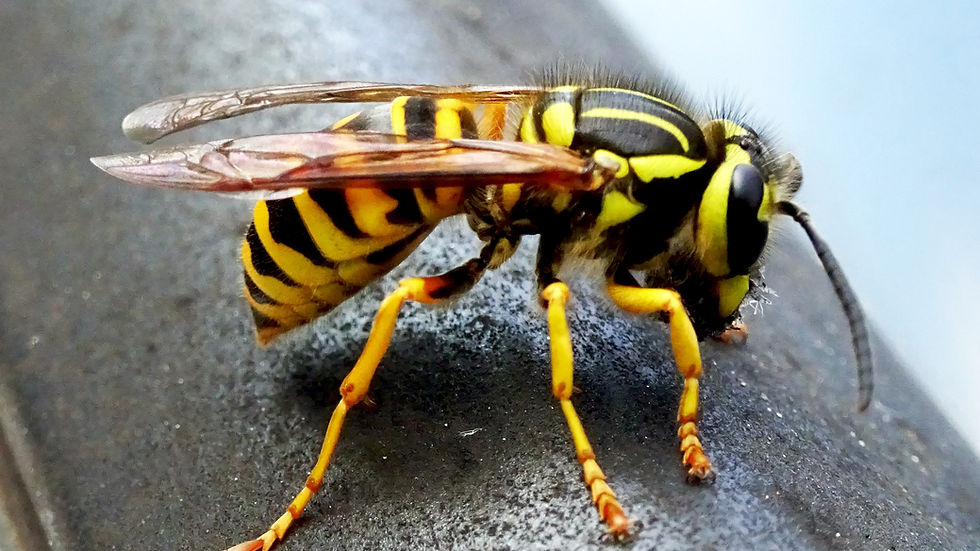
Yellow Jackets are social wasps easily identified by their black and yellow stripes. They are often confused with bees, but you can distinguish them by their hairless bodies. These wasps create their nests using a papery material made from chewed wood mixed with their saliva.
They can be quite aggressive, especially when defending their nests. Their colonies can number in the thousands, making them a formidable presence. Yellow Jackets are most active during the summer and early fall. As the season progresses, their nests grow larger, and their aggression tends to increase.
Yellow Jacket Nests in the Ground
Yellow Jackets typically build their nests in the ground, often using vacant burrow holes left by rodents. These nests can be incredibly easy to miss, especially if the area is covered in leaves or dense foliage.
The only reliable way to identify a nest in the ground is by observing the yellow jackets entering and exiting the hole frequently. Such nests are often disturbed during yard work or by active pets, which can lead to aggressive encounters.
Yellow Jacket Nests in Walls and Attics
Yellow Jackets can enter structures through cracks around vents, wires, and damaged siding. As they build their nests throughout the summer, they may start chewing through drywall to create space for expansion.
As the nest grows larger, the risk of damage increases. This also raises the chances of yellow jackets creating holes that lead indoors. Once inside, they tend to fly toward the nearest light source, such as lightbulbs and windows. This behavior can lead to dangerous situations for those inside the building.
Challenges in Eliminating Yellow Jackets
Removing smaller Yellow Jacket nests can sometimes be straightforward for a homeowner. However, larger nests located in protected areas present a different challenge. When nests are situated inside walls or underground, they are heavily protected and easy for the wasps to defend.
The entrance to the nest may be several feet away from the actual colony, making it difficult for sprays to penetrate. If pesticide applications do not reach deep into the colony where the queen resides, the yellow jackets will not be completely eliminated. The queen can continue to produce more eggs, causing the colony's numbers to rebound.
Why You Should Call a Professional
There is little room for error when dealing with a large, active Yellow Jacket nest. If a nest is located in a safe, protected area, it is best to contact a professional.
Here at New Bedford Pest Control, we have the tools, knowledge, and skills to treat yellow jackets safely and efficiently. If you feel uncomfortable dealing with a Yellow Jacket nest, please give us a call, and we would be happy to assist!
Conclusion: The Importance of Professional Help
In conclusion, Yellow Jackets can be more than just a nuisance; they can be a significant threat to safety. Their nests can be found in various locations, making them challenging to identify and eliminate.
If you suspect you have a Yellow Jacket nest, it is crucial to act quickly. Attempting to remove the nest yourself can lead to dangerous encounters. Instead, rely on professionals who understand the risks and have the expertise to handle these situations effectively.
Remember, safety should always come first. Don’t hesitate to reach out for help when dealing with these aggressive wasps.
Jon Amaral, ACE, PHE
New Bedford Pest Control
113 Allen Street
New Bedford, MA


Comments